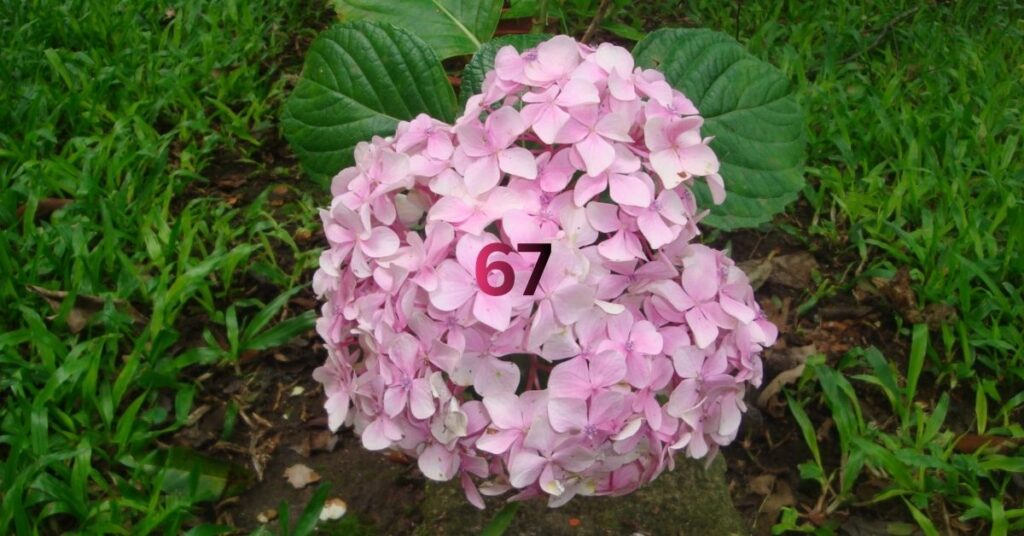

Few flowering shrubs deliver the reliability, beauty, and seasonal performance of the panicle hydrangea. Known botanically as Hydrangea paniculata, this hardy ornamental plant has become one of the most trusted landscape shrubs in modern gardens because it blooms consistently, tolerates colder climates, and produces dramatic cone-shaped flowers from summer into fall.
Unlike many traditional hydrangeas that struggle after harsh winters or improper pruning, panicle hydrangeas are dependable bloomers. Their ability to flower on new wood makes them easier to maintain, more forgiving for beginners, and exceptionally valuable in sustainable landscaping. From compact dwarf varieties to towering hedge forms, these shrubs bring structure, pollinator activity, and long-season color to nearly every style of garden.
This complete guide explains everything that truly matters about panicle hydrangeas, including planting, pruning, watering, bloom performance, variety selection, landscape design, seasonal care, and expert troubleshooting.
What Is a Panicle Hydrangea?
A panicle hydrangea is a deciduous flowering shrub belonging to the Hydrangeaceae family. It is native to parts of eastern Asia and is widely recognized for its upright growth habit and large cone-shaped flower clusters called panicles.
The plant stands apart from other hydrangea species because of its remarkable cold tolerance and reliable blooming cycle. Most varieties bloom on current-season growth rather than old wood, which means winter damage rarely prevents flowering. This trait alone has made panicle hydrangeas one of the most planted ornamental shrubs in North America and Europe.
Their flowers typically begin creamy white or lime-green before aging into blush pink, rose, burgundy, or soft antique tones as temperatures cool. This gradual transformation creates changing seasonal interest that lasts for months rather than weeks.
Why Panicle Hydrangeas Have Become the Gold Standard in Landscaping
Modern landscapes increasingly prioritize durability, sustainability, lower maintenance, and multi-season beauty. Panicle hydrangeas excel in all four areas.
These shrubs adapt well to foundation plantings, privacy borders, cottage gardens, pollinator landscapes, urban gardens, and estate-style designs. Their upright structure provides architectural strength while their large blooms soften hard edges around homes and pathways.
Another major reason for their popularity is their climate flexibility. Many flowering shrubs struggle in freezing winters or intense summer heat, but panicle hydrangeas tolerate a wider range of growing conditions than most hydrangea species. Gardeners in colder USDA zones especially favor them because they bloom reliably even after severe winters.
Their long flowering season also contributes to their dominance. Many cultivars bloom from early summer until frost, giving landscapes continuous visual value when many other shrubs have already faded.
Best Panicle Hydrangea Varieties for Every Garden
Not all panicle hydrangeas grow the same way. Some remain compact for smaller spaces, while others become massive flowering specimens. Choosing the correct cultivar dramatically improves long-term garden performance.
Limelight Hydrangea
The famous “Limelight” variety remains one of the most recognizable landscape hydrangeas in the world. Its massive lime-green blooms mature into creamy white and later develop soft pink tones in autumn. Strong stems help support the heavy flower heads, making it ideal for formal landscapes and statement plantings.
Little Lime Hydrangea
Little Lime offers the same color-changing beauty as Limelight but in a more compact form. It works exceptionally well in urban gardens, container plantings, and smaller residential landscapes where oversized shrubs may overwhelm the space.
Quick-Fire Hydrangea
Quick Fire is prized for blooming earlier than most panicle hydrangeas. Its flowers quickly transition from white to deep rosy pink, extending seasonal color for an exceptionally long period. Gardeners who want earlier summer blooms often choose this cultivar.
Bobo Hydrangea
Bobo is a dwarf panicle hydrangea with extraordinary flower production. Despite its smaller size, it produces enormous blooms that nearly cover the foliage during peak flowering. It performs beautifully along walkways and in compact ornamental borders.
Strawberry Sundae Hydrangea
This cultivar is known for dramatic pink-red flower transformations late in the season. The rich color shifts create exceptional fall garden interest and pair beautifully with ornamental grasses and autumn perennials.
How to Plant Panicle Hydrangeas Properly
Healthy hydrangeas begin with proper planting practices. Even though panicle hydrangeas are relatively forgiving, poor site preparation can reduce bloom quality and weaken long-term growth.
Choose a location that receives at least four to six hours of sunlight daily. In cooler climates, full sun encourages stronger flowering and sturdier stems. In hotter regions, morning sun combined with afternoon shade helps protect blooms from heat stress.
The soil should drain well while still retaining moderate moisture. Heavy clay soils often benefit from organic matter such as compost or leaf mold before planting. Sustainable soil improvement not only strengthens root development but also supports beneficial microbial activity.
When planting, avoid burying the crown too deeply. Position the root ball slightly above the surrounding soil grade to improve drainage and reduce root rot risk. After planting, apply organic mulch around the base to conserve moisture, regulate soil temperature, and reduce weed competition.
Understanding the Bloom Cycle of Panicle Hydrangeas
One of the most fascinating aspects of panicle hydrangeas is their evolving bloom cycle. Unlike plants that peak briefly, these shrubs transform continuously throughout the growing season.
Most varieties begin flowering in early or midsummer. Fresh blooms often appear white, cream, or pale green depending on the cultivar. As the season progresses and temperatures gradually cool, the flower heads deepen into pink, dusty rose, burgundy, or antique bronze shades.
This extended progression creates a layered seasonal display that continues into autumn. Even after flowers dry, many gardeners leave them on the shrub throughout winter because the faded panicles add architectural texture to snowy landscapes.
The bloom timing varies slightly by climate. Warmer zones generally see earlier flowering, while colder northern regions experience peak blooming later in summer.
Proper Watering and Soil Care for Stronger Hydrangeas
Panicle hydrangeas are more drought-tolerant than many hydrangea species once established, but consistent moisture still plays a major role in bloom production and plant health.
Deep watering encourages roots to grow downward rather than remaining near the soil surface. This improves drought resistance and overall plant resilience. Shallow, frequent watering often weakens root systems and increases environmental stress during heat waves.
Organic mulch is one of the most effective eco-friendly strategies for maintaining healthy soil moisture. A two-to-three-inch mulch layer reduces evaporation, stabilizes root temperatures, and gradually enriches the soil as it decomposes.
Overwatering should also be avoided. Waterlogged soil can suffocate roots, encourage fungal disease, and reduce oxygen availability underground. Well-draining soil remains one of the most important factors for long-term hydrangea success.
The Truth About Pruning Panicle Hydrangeas
Pruning confusion destroys countless hydrangea blooms every year, but panicle hydrangeas are far easier to manage than other hydrangea species.
Because they bloom on new wood, pruning rarely eliminates flower production. This gives gardeners more flexibility and significantly reduces maintenance anxiety.
The best time to prune is late winter or early spring before active growth begins. Removing weak, crossing, or damaged stems improves airflow and helps the shrub direct energy into stronger flowering shoots.
Heavy pruning may produce fewer but larger blooms, while lighter pruning often results in more flowers with a softer natural appearance. The ideal approach depends on whether the gardener prefers oversized statement blooms or a fuller flowering shrub.
Essential Pruning Rules
- Remove dead or winter-damaged branches first
- Avoid pruning during active blooming periods
- Thin overcrowded stems for better airflow
- Maintain the shrub’s natural structure instead of forcing harsh shapes
- Sanitize pruning tools to reduce disease spread
Thoughtful pruning improves stem strength, bloom quality, and overall plant longevity.
Common Panicle Hydrangea Problems and Real Solutions
Even resilient shrubs experience occasional issues. Identifying the true cause early prevents long-term decline and improves flowering performance.
Why Panicle Hydrangeas Fail to Bloom
Several factors commonly reduce blooming:
- Insufficient sunlight
- Excessive nitrogen fertilizer
- Immature plants
- Severe drought stress
- Overcrowded planting conditions
In most cases, increasing sunlight exposure and reducing nitrogen-heavy feeding restores healthy flowering.
Why Blooms Turn Brown Too Early
Brown flower edges usually result from environmental stress rather than disease. Intense afternoon heat, dry soil, hot winds, or inconsistent watering frequently damage delicate blooms during midsummer.
Applying mulch and improving watering consistency often solves the issue naturally.
Weak or Flopping Flower Stems
Heavy blooms sometimes bend stems downward after rainfall. Excess fertilizer is a frequent cause because it encourages rapid, soft growth instead of sturdy branching. Proper sunlight and moderate feeding produce stronger stems over time.
Sustainable Landscaping Benefits of Panicle Hydrangeas
Panicle hydrangeas fit exceptionally well into environmentally conscious landscapes because they offer long-term value with relatively low resource demands.
Once established, they require less irrigation than thirstier ornamental plants. Their long flowering period supports pollinators throughout much of the growing season, especially bees and beneficial insects seeking late-summer nectar sources.
The shrubs also contribute to biodiversity by creating layered habitat structure within residential landscapes. Their dense branching provides shelter for small wildlife while their flowers increase ecological activity around the garden.
Organic mulching, compost enrichment, and responsible pruning practices further improve sustainability while reducing dependence on synthetic products.
How to Use Panicle Hydrangeas in Landscape Design
Panicle hydrangeas are among the most versatile flowering shrubs available today. Their adaptability allows them to function in both traditional and modern landscape designs.
Most Effective Landscape Uses
- Flowering privacy hedges
- Foundation plantings
- Mixed shrub borders
- Cottage gardens
- Pollinator gardens
- Entryway focal points
- Patio container displays
- Four-season ornamental landscapes
Larger cultivars create dramatic visual anchors, while dwarf varieties soften pathways and smaller garden spaces. Combining multiple cultivars with staggered bloom timing creates layered seasonal interest throughout the landscape.
Panicle Hydrangea Winter Care and Long-Term Maintenance
Unlike sensitive hydrangea species that require heavy winter protection, panicle hydrangeas generally survive cold weather remarkably well.
In colder climates, a fresh mulch layer around the root zone helps moderate soil temperature fluctuations during freeze-thaw cycles. Avoid excessive late-season fertilization because tender new growth may become vulnerable before winter dormancy fully begins.
Many gardeners leave dried flower heads intact through winter because they provide structural beauty and additional insulation for buds lower on the stems. Late winter cleanup prepares the shrub for vigorous spring growth.
Long-term success depends more on consistency than complexity. Healthy soil, balanced sunlight, moderate pruning, and stable watering routines create stronger shrubs that continue performing beautifully for decades.
Why Panicle Hydrangeas Continue to Dominate Modern Gardens
Very few flowering shrubs combine beauty, reliability, adaptability, and sustainability as successfully as panicle hydrangeas. Their ability to thrive across diverse climates while producing spectacular blooms year after year makes them one of the most dependable ornamental plants available today.
From compact urban gardens to expansive estate landscapes, these shrubs provide structure, pollinator support, seasonal transformation, and enduring visual impact. Their forgiving nature makes them accessible to beginners, while their extraordinary variety range continues to attract experienced gardeners and landscape professionals alike.
For anyone seeking a hardy flowering shrub that delivers exceptional long-term performance with manageable care requirements, panicle hydrangeas remain one of the finest choices in modern horticulture.
Conclusion
Panicle hydrangeas have earned their reputation as one of the most dependable and visually rewarding flowering shrubs in modern gardening. Their long bloom season, cold hardiness, easy pruning habits, and dramatic color-changing flowers make them a standout choice for both beginner gardeners and experienced landscape designers. Whether planted as a privacy hedge, focal point, or pollinator-friendly shrub, they deliver consistent beauty with relatively low maintenance. With proper sunlight, balanced watering, healthy soil, and thoughtful pruning, panicle hydrangeas can thrive for decades while transforming outdoor spaces with season-long elegance.
FAQs
Q. Do panicle hydrangeas need full sun?
Panicle hydrangeas grow best with at least 4–6 hours of sunlight daily. In hotter climates, afternoon shade helps protect blooms from heat stress.
Q. When should panicle hydrangeas be pruned?
The best time to prune is late winter or early spring before new growth begins because they bloom on new wood.
Q. Why is my panicle hydrangea not blooming?
Common causes include too much shade, excessive nitrogen fertilizer, drought stress, or an immature plant.
Q. How large do panicle hydrangeas grow?
Size depends on the variety. Dwarf types may stay under 3 feet, while larger cultivars can grow 8–15 feet tall.
Q. Are panicle hydrangeas good for cold climates?
Yes. Most panicle hydrangeas are highly cold-hardy and can survive harsh winters in USDA Zones 3–8.