
Hair loss rarely begins with sudden baldness. In most people, the first signs appear quietly: extra strands on the pillow, widening hair partitions, brittle texture, reduced shine, and slow thinning across the scalp. This pattern is often linked to diffuse alopecia, structural hair weakening, and chronic scalp imbalance. The growing interest around “Pantagonar” reflects a broader search for solutions that support stronger follicles, healthier scalp function, and damaged hair recovery.
Modern hair science now confirms that hair quality is directly connected to scalp circulation, nutritional balance, keratin integrity, hormonal regulation, and oxidative stress control. When these systems weaken together, the hair shaft loses resilience, and follicles gradually enter shorter growth cycles. Understanding this process is essential for restoring long-term hair density and maintaining sustainable hair health.
Understanding Pantogar and Its Connection to Hair Health
Pantogar (Pantagonar) is increasingly associated with discussions surrounding diffuse hair thinning, weakened hair structure, and scalp recovery. Although the term itself is still emerging, it is strongly connected to broader conversations about nutritional hair therapy, follicular support, and hair restoration science.
Many users searching this keyword are also exploring topics related to:
- Diffuse alopecia,
- Brittle hair repair,
- Keratin strengthening,
- Hair supplements,
- Scalp nourishment,
- Hair regrowth support.
This growing association places Pantagonar within the expanding global hair wellness category, where scientific scalp care and nutrition-focused recovery are becoming more important than cosmetic-only solutions.
The rise of environmental stress, harsh chemical treatments, poor dietary patterns, chronic inflammation, and emotional stress has significantly increased cases of diffuse hair thinning worldwide. As a result, people are looking beyond temporary cosmetic fixes and focusing on internal hair health restoration.
What Is Diffuse Alopecia and Why Does It Affect So Many People?
Diffuse alopecia refers to widespread thinning across the scalp rather than isolated bald patches. Unlike localized hair loss disorders, this condition gradually reduces overall hair density, making the scalp more visible over time. It affects both men and women and is frequently linked to internal physiological stress.
Hair follicles normally cycle through three phases:
- Anagen (growth),
- Catagen (transition),
- Telogen (resting/shedding).
When stressors disrupt this cycle, a large number of follicles prematurely shift into the shedding phase. This condition is often called telogen effluvium, one of the most common causes of diffuse hair loss.
Several underlying factors contribute to this imbalance:
- Iron deficiency,
- Vitamin D deficiency,
- Thyroid dysfunction,
- Hormonal fluctuations,
- Chronic stress,
- Inflammatory scalp conditions,
- Crash dieting,
- Protein deficiency and overexposure to heat or chemicals.
Because diffuse alopecia develops progressively, many individuals ignore the early warning signs until hair density visibly declines.
The Biology of Hair Structure and Why Damage Happens
Healthy hair is not simply “dead protein.” Its strength depends on the integrity of multiple microscopic structures working together. The hair shaft contains three primary layers:
- Cuticle, Cortex, and Medulla.
The cuticle acts as a protective outer shield. When it becomes damaged from excessive heat styling, bleaching, harsh shampoos, UV exposure, or pollution, the inner cortex becomes vulnerable. The cortex contains keratin fibers responsible for elasticity, strength, and texture.
Once keratin bonds weaken, the hair begins to
- Split, fray, lose moisture, break easily, and appear thinner.
This process is known as structural hair degeneration. Over time, chronic damage also affects scalp balance and follicular health, creating a cycle where new hair grows weaker than before.
Modern trichology research shows that inflammation and oxidative stress around the follicle can further accelerate hair miniaturization. This means protecting the scalp is just as important as protecting the hair shaft itself.
Pantogar and Its Role in Nutritional Hair Support
One of the most recognized names connected to hair nutrition therapy is Pantogar. Pantogar is widely known for supporting hair structure through a combination of amino acids, keratin-supporting nutrients, B vitamins, and medical yeast formulations designed to nourish growing follicles.
Pantogar is commonly discussed in relation to the following:
- Diffuse alopecia,
- Stress-related hair shedding,
- Brittle nails,
- Weakened hair texture,
- Nutritional hair deficiencies.
Its formulation focuses on supporting the biological environment required for stronger keratin production. Hair follicles are metabolically active structures that require consistent nutritional support to maintain healthy growth cycles. Deficiencies in amino acids, zinc, biotin, and certain B vitamins can significantly weaken follicular performance.
Many dermatologists and trichology specialists recommend nutritional support alongside scalp care because hair recovery often requires addressing internal deficiencies, not only external symptoms.
However, no supplement works instantly. Hair growth is biologically slow, and visible improvement generally requires several months of consistency combined with healthy scalp management and reduced follicular stress.
Early Signs That Hair Structure Is Weakening
The earliest indicators of hair damage are often ignored because they develop gradually. Recognizing these changes early improves the chances of recovery before follicular weakening becomes severe.
Common warning signs include:
- Increasing hair fall during washing,
- Widening scalp visibility,
- Dry or rough texture,
- Loss of shine,
- Excessive tangling,
- Reduced hair elasticity,
- Split ends,
- Slow regrowth.
Scalp symptoms can also appear simultaneously:
- Itching,
- Inflammation,
- Oil imbalance,
- Tightness,
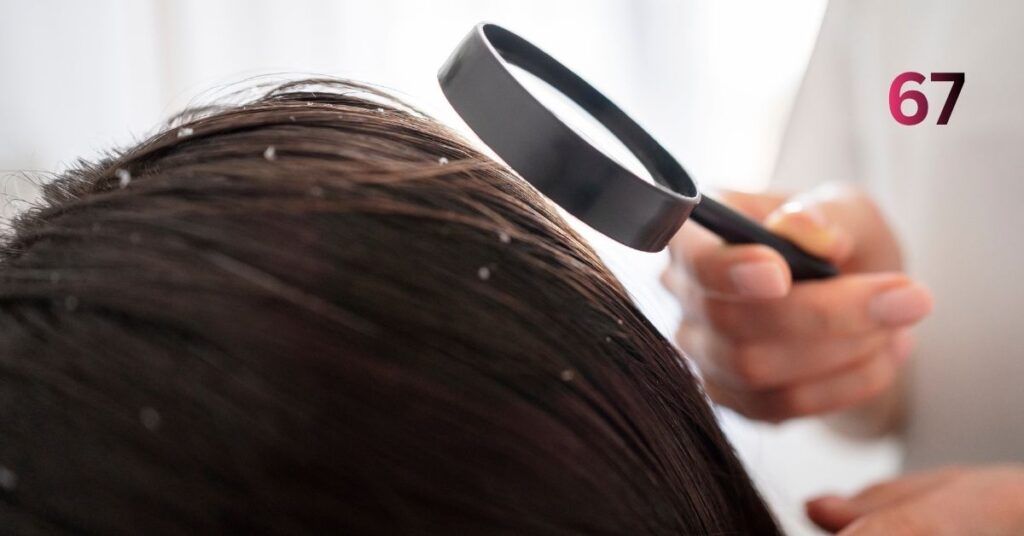
- Flaking.
These signs often indicate that the scalp microenvironment is no longer supporting optimal follicular function. Addressing these issues early can significantly improve long-term hair density preservation.
The Link Between Nutrition and Strong Hair Growth
Hair follicles are among the fastest-dividing cells in the body, which makes them highly sensitive to nutritional deficiencies. Poor dietary quality can interrupt keratin synthesis, weaken follicular activity, and shorten the growth phase of hair.
Several nutrients are particularly important for maintaining healthy hair structure:
- Protein,
- Biotin,
- Iron,
- Zinc,
- Selenium,
- Omega-3 fatty acids,
- Vitamin D,
- B-complex vitamins.
Protein is especially critical because hair shafts are largely made of keratin, a structural protein. Diets lacking sufficient protein often result in weaker strands and increased shedding.
Hydration also plays a major role in scalp balance. Chronic dehydration can worsen scalp dryness, reduce elasticity, and increase hair brittleness.
A sustainable, hair-supportive lifestyle typically includes the following:
- Nutrient-dense foods,
- Anti-inflammatory eating patterns,
- Reduced processed sugar intake,
- Stress regulation,
- Regular sleep cycles,
- Scalp-protective habits.
Long-term hair recovery rarely depends on a single product. It usually requires improving the body’s overall biological environment.
How Stress and Hormonal Imbalance Trigger Hair Loss
Stress is one of the most underestimated causes of diffuse hair shedding. Elevated cortisol levels can disrupt normal follicular cycling and push hairs prematurely into the telogen phase. Emotional trauma, chronic anxiety, illness, and sleep deprivation can all contribute to sudden shedding episodes. Hormonal imbalance is another major factor. Conditions involving thyroid dysfunction, androgen sensitivity, insulin resistance, or post-pregnancy hormonal shifts can dramatically affect follicular stability.
Inflammation also plays a central role. When the scalp remains chronically inflamed, blood flow and nutrient delivery to follicles become impaired. This weakens the follicular environment and increases the risk of long-term thinning. Understanding these internal triggers is essential because many people focus only on shampoos or oils while ignoring the deeper biological causes driving the problem.
Modern Hair Restoration Strategies That Actually Help
Hair restoration has evolved significantly in recent years. Effective recovery strategies now focus on supporting both the scalp ecosystem and internal follicular biology rather than relying solely on cosmetic coatings.
The most effective approaches usually combine:
- Scalp health optimization,
- Nutritional correction,
- Gentle hair care,
- Inflammation reduction,
- Targeted medical therapies.
Several evidence-supported methods include the following:
- Low-level laser therapy,
- Peptide-based scalp serums,
- PRP therapy,
- Microneedling,
- Dermatologist-guided supplementation,
- Medical scalp treatments.
Equally important is reducing ongoing damage. Excessive bleaching, tight hairstyles, heat tools, and harsh chemical exposure continue to weaken the cuticle even while recovery efforts are underway.
Hair restoration is most successful when approached as a long-term biological process rather than a quick cosmetic fix.
Homemade Natural Hair Health Restoration
Natural hair restoration at home focuses on improving scalp health, strengthening follicles, and reducing breakage rather than quick cosmetic fixes. Consistency is key, as real improvement comes from gradual biological repair. One effective method is regular scalp oil massage using coconut, castor, or argan oil. This helps improve blood circulation, reduce dryness, and support stronger roots over time.
A nutrient-rich diet is equally important. Foods like eggs, spinach, lentils, nuts, and fish provide protein, iron, and vitamins needed for keratin production and healthier hair growth. You can also use a simple weekly natural mask with aloe vera, yogurt, and honey to soothe the scalp, improve moisture balance, and support weaker strands. Finally, reducing heat styling, harsh chemicals, and tight hairstyles helps prevent further structural damage, allowing hair to recover more effectively over time.
Scalp Health Is the Foundation of Healthy Hair
A healthy scalp creates the environment required for strong follicles, efficient circulation, and balanced oil production. Poor scalp health often precedes visible hair loss.
Key scalp-supportive habits include the following:
- Avoiding harsh sulfate-heavy cleansers,
- Maintaining scalp hygiene,
- Minimizing inflammation,
- Protecting against UV exposure,
- Supporting the scalp microbiome.
Massaging the scalp can also help stimulate circulation, which may improve nutrient delivery to follicles over time. However, aggressive rubbing or abrasive treatments can worsen inflammation.
Environmental exposure matters as well. Pollution, smoking, oxidative stress, and excessive UV radiation can damage both scalp tissue and hair proteins. Sustainable hair care now emphasizes protective strategies that preserve long-term follicular integrity.
Can Damaged Hair Structure Truly Recover?
Hair recovery depends on the severity of damage and whether follicles remain active. Split ends cannot biologically repair themselves, but improving scalp health and reducing further structural stress can dramatically improve hair quality over time.
When follicles are still functioning, healthier regrowth is possible through:
- Nutritional support,
- Inflammation management,
- Protein restoration,
- Stress reduction,
- Consistent scalp care.
The earlier the intervention begins, the better the long-term outcome tends to be. Chronic neglect, repeated chemical trauma, and untreated inflammation increase the likelihood of permanent follicular weakening.
Patience is essential because healthy hair cycles operate slowly. Significant visible improvements may require several months of consistent care.
The Future of Hair Wellness and Follicular Science
Hair science is shifting toward a more holistic understanding of follicular biology. Researchers now recognize that healthy hair depends on the interaction between:
- Scalp microbiome balance,
- Circulation,
- Immune regulation,
- Oxidative stress control,
- Hormonal stability,
- Nutritional sufficiency.
This broader perspective explains why single-product solutions often fail to deliver lasting results. Sustainable hair health requires supporting the entire follicular environment.
The growing interest around Pantagonar reflects this shift toward deeper hair restoration science rather than temporary cosmetic concealment. As awareness grows, individuals are increasingly prioritizing scalp biology, structural hair integrity, and long-term follicular resilience over short-lived aesthetic trends.
Conclusion
Pantagonar represents a growing interest in understanding the deeper causes of diffuse alopecia, weakened follicles, and damaged hair structure. Modern hair health is no longer limited to cosmetic appearance alone. Strong hair depends on healthy follicles, balanced scalp function, proper nutrition, stress regulation, and long-term structural protection.
Diffuse hair thinning often develops silently through inflammation, nutritional deficiencies, hormonal disruption, and chronic external damage. Addressing these root causes early provides the best opportunity for restoring stronger, healthier hair growth.
Scientific hair wellness now emphasizes sustainable recovery rather than temporary masking. By supporting scalp biology, protecting keratin structure, improving nutrition, and minimizing ongoing damage, individuals can create a healthier environment for long-term hair resilience and improved follicular strength.
FAQs
Q. What is Pantagonar associated with?
Pantagonar is associated with discussions about diffuse alopecia, damaged hair structure, scalp recovery, and overall hair health improvement.
Q. What causes diffuse alopecia?
Diffuse alopecia can result from stress, nutritional deficiencies, hormonal imbalance, inflammation, illness, or damage to the hair growth cycle.
Q. Is Pantogar used for hair loss?
Pantogar is commonly used to support hair structure and nutritional hair recovery in cases of diffuse thinning and brittle hair.
Q. Can damaged hair structure recover naturally?
Mild to moderate damage can improve through proper scalp care, nutrition, hydration, and reduced chemical or heat exposure.
Q. How long does hair recovery usually take?
Visible improvement often requires several months because healthy hair growth occurs gradually through natural follicular cycles.