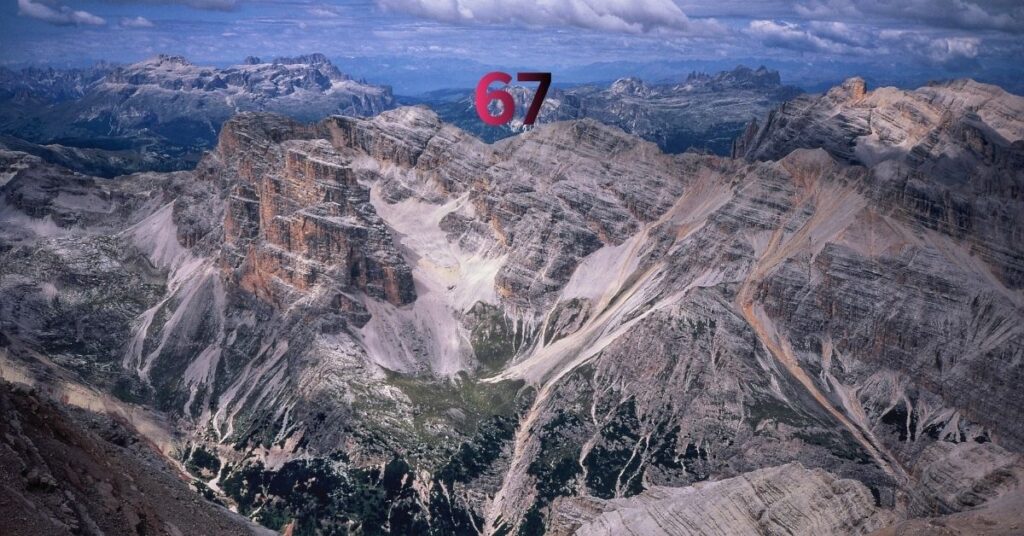

The Atlas Mountains are not just a geographical feature—they are a life-defining system that determines how millions of people live across Morocco, Algeria, and Tunisia. Stretching over 2,000 kilometers, this mountain chain acts as a natural shield, water source, biodiversity hub, and cultural stronghold. Unlike typical mountain ranges, the Atlas Mountains influence weather patterns, economic systems, and even the expansion of the Sahara Desert—making them one of the most strategically important landforms on Earth.
A Complex Mountain System That Redefines Geography
The Atlas Mountains are not a single continuous ridge but a multi-layered system of subranges, each with distinct geological and environmental characteristics. From the rugged peaks of the High Atlas to the forested landscapes of the Middle Atlas and the ancient formations of the Anti-Atlas, this diversity creates a rare geographical mosaic. In the north, the Tell Atlas captures moisture from the Mediterranean, while the Saharan Atlas marks the transition into extreme aridity. This structural complexity is what allows the Atlas Mountains to control ecosystems across an entire region rather than just a local area.
Towering Heights and Extreme Natural Contrast
At the core of this system lies Mount Toubkal, standing at 4,167 meters, the highest point in North Africa. What makes this remarkable is not just the elevation but the contrast it creates—snow-capped peaks exist just a few hundred kilometers from some of the hottest desert zones on Earth. This vertical diversity produces multiple climate zones within a limited area, supporting everything from alpine vegetation to semi-arid scrublands. Such variation is rare globally and positions the Atlas Mountains as a natural laboratory for environmental adaptation and resilience.
Climate Control: The Barrier That Holds Back the Desert
One of the most powerful roles of the Atlas Mountains is their ability to control climate patterns across North Africa. Acting as a barrier, they force moist air from the Atlantic and Mediterranean to rise and cool, resulting in rainfall on the northern slopes. This phenomenon, known as the rain shadow effect, leaves the southern side dry and arid. Without this natural system, fertile regions in northern Morocco and Algeria would likely transform into desert landscapes. In essence, the Atlas Mountains protect habitable land and sustain agriculture, making them indispensable for regional survival.
Water Security: The Lifeline of a Dry Region
The Atlas Mountains function as North Africa’s primary water reservoir, capturing rainfall and snow that feed rivers, underground aquifers, and irrigation systems. Seasonal snowmelt flows into valleys, supporting agriculture and human settlements in otherwise dry regions. Rivers originating here sustain cities, farms, and ecosystems far beyond the mountains themselves. This hydrological importance means the Atlas Mountains are not just a geographical feature—they are a critical infrastructure for water security, especially in a region increasingly affected by climate change and water scarcity.
Biodiversity Refuge in a Harsh Environment
Despite being surrounded by arid landscapes, the Atlas Mountains host a surprisingly rich ecosystem. Forests of cedar and oak provide habitats for rare species like the Barbary macaque and the Barbary sheep. These species have adapted to mountainous conditions and rely on this environment for survival. The region also acts as a refuge for plant species that cannot withstand desert climates. This makes the Atlas Mountains a biodiversity hotspot, playing a crucial role in preserving ecological balance in North Africa.
Indigenous Culture and Human Resilience
For thousands of years, the Atlas Mountains have been home to the Berber (Amazigh) communities. These populations have developed unique ways of life adapted to mountainous terrain, including terrace farming, seasonal migration, and strong community-based traditions. The rugged geography has historically limited outside influence, allowing these cultures to preserve their languages, customs, and identity. Today, the Atlas Mountains remain a cultural stronghold, representing resilience and continuity in a rapidly changing world.
Economic Importance and Resource Wealth
The Atlas Mountains are not only environmentally significant but also economically vital. They contain valuable natural resources and support multiple industries that drive regional economies.
Key Economic Contributions:
- Rich deposits of phosphates, iron, and copper
- Agricultural production in fertile valleys
- Hydropower generation from mountain water systems
- Growing tourism industry, especially trekking and skiing
This combination of natural wealth and economic activity makes the Atlas Mountains a key contributor to national development, particularly in Morocco and Algeria.
Geological Evolution That Still Shapes the Present
The formation of the Atlas Mountains is rooted in the collision between the African Plate and the Eurasian Plate, a process that began millions of years ago and continues today. This tectonic activity created folded rock structures, mineral-rich layers, and seismic zones that still influence the region. The mountains are therefore not static—they are part of an ongoing geological process, constantly evolving and reshaping the landscape.
Strategic Importance in a Changing World
In today’s context of climate change, population growth, and environmental stress, the Atlas Mountains have become even more critical. They regulate weather, store water, support biodiversity, and sustain millions of people. Their role extends beyond regional importance—they are part of a global environmental system that influences climate patterns and ecological stability.
Why the Atlas Mountains Matter Today:
- They slow desert expansion and protect fertile land
- They secure water resources in a water-stressed region
- They preserve unique ecosystems and endangered species
- They support cultural heritage and traditional lifestyles
Final Insight: More Than Mountains—A System That Sustains Life
The Atlas Mountains are not just a physical structure—they are a living system that controls climate, supports life, and shapes civilizations. Their influence extends from rainfall patterns to cultural preservation, making them one of the most important yet underappreciated mountain systems in the world.
Understanding the Atlas Mountains is not just about geography—it is about recognizing how natural systems sustain human existence. And in a future defined by environmental challenges, their importance will only continue to grow.
FAQs
Q. Where are the Atlas Mountains located?
The Atlas Mountains span across Morocco, Algeria, and Tunisia in North Africa.
Q. What is the highest peak in the Atlas Mountains?
The highest point is Mount Toubkal, reaching 4,167 meters (13,665 feet).
Q. Why are the Atlas Mountains important?
They regulate climate, provide water resources, support biodiversity, and act as a natural barrier limiting the spread of the Sahara Desert.
Q. Who lives in the Atlas Mountains?
The region is primarily inhabited by the Berbers (Amazigh), known for their unique culture and mountain-adapted lifestyles.
Q. Are the Atlas Mountains still forming?
Yes, they are influenced by ongoing tectonic activity between the African Plate and the Eurasian Plate, meaning the region is still geologically active.