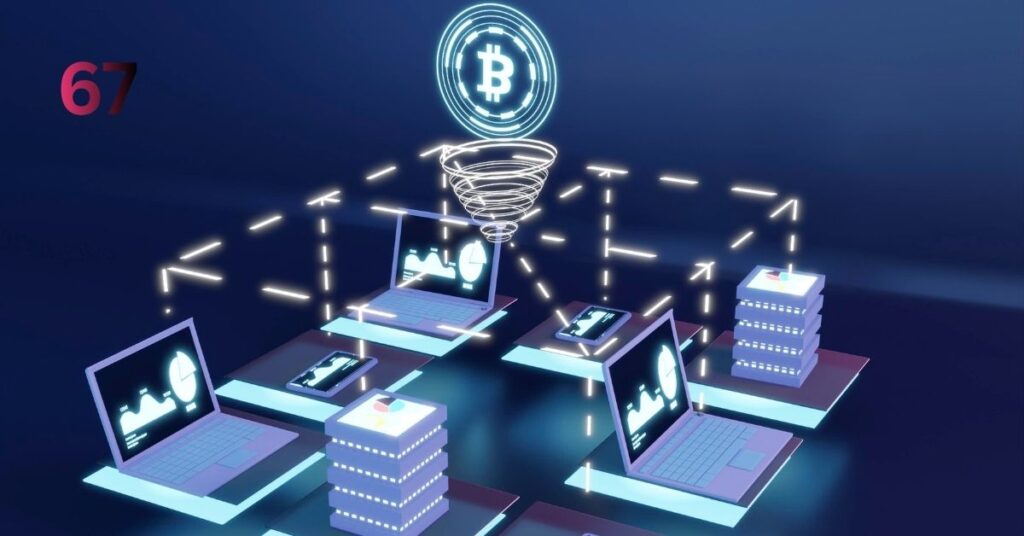

It is the process of replacing sensitive information, digital assets, or text with unique identifiers known as tokens. These tokens represent the original data without exposing its actual value, making digital interactions more secure and efficient. While the concept of Tokenizasyon varies across industries, its primary objective remains the same: protecting valuable information while enabling safe and seamless digital operations.
Today, it has become a core technology in artificial intelligence (AI), natural language processing (NLP), large language models (LLMs), cybersecurity, payment processing, blockchain, financial technology (FinTech), and digital asset management. As organizations continue their digital transformation, Tokenizasyon is helping businesses strengthen security, improve efficiency, and build greater trust with customers.
How Does It Work?
The process of this begins by replacing sensitive data with a randomly generated token. The original information is securely stored in a protected database, while the token is used during transactions or system processes. Because the token has no meaningful value outside the secure environment, it significantly reduces the risk of data exposure.
For example, when a customer purchases a product online, the actual credit card number is replaced with a unique token before the payment is processed. Even if attackers intercept the token, they cannot recover the original payment details without authorized access. The same principle is widely applied to customer databases, healthcare records, digital identities, and blockchain-based assets, making Tokenizasyon one of today’s most effective data protection techniques.
Major Types of Tokenizasyon
It serves different purposes depending on the industry in which it is applied. The most common types include:
- AI and NLP Tokenizasyon: Breaking text into words, subwords, or characters so machine learning models can understand and analyze language.
- Payment Tokenizasyon: Replacing payment card information with secure tokens during financial transactions.
- Data Tokenizasyon: Protecting personally identifiable information (PII) and confidential business records.
- Blockchain Tokenizasyon: Representing physical or digital assets as blockchain-based tokens.
- Real-World Asset (RWA) Tokenizasyon: Digitizing ownership of assets such as real estate, artwork, commodities, stocks, bonds, and intellectual property.
Each form of Tokenizasyon helps organizations improve security, operational efficiency, and digital accessibility.
Artificial Intelligence and Large Language Models
Modern artificial intelligence systems cannot understand human language directly. Instead, Tokenizasyon divides text into smaller units called tokens before the AI model begins processing information.
A token may represent an entire word, part of a word, a punctuation mark, or even a single character. Once text is converted into tokens, AI systems can identify patterns, understand context, translate languages, summarize documents, answer questions, and generate human-like responses.
Large Language Models (LLMs) rely heavily on Tokenizasyon because it forms the foundation of natural language understanding. Without efficient Tokenizasyon, conversational AI, intelligent search systems, and advanced automation would not perform accurately.
Why Tokenizasyon Is Essential for Cybersecurity
As cyber threats become more sophisticated, protecting sensitive information has become a strategic priority for organizations worldwide. Tokenizasyon minimizes the exposure of confidential data by ensuring that original information is never directly used during transactions or digital communications.
Banks, hospitals, government agencies, retailers, cloud service providers, and e-commerce companies increasingly implement Tokenizasyon to strengthen security and reduce the impact of data breaches. Key benefits include the following:
- Protecting sensitive customer information
- Reducing the risk of data breaches
- Enhancing payment security
- Improving data privacy
- Supporting regulatory compliance
- Lowering fraud risks
- Increasing customer confidence
Blockchain and Real-World Asset Tokenizasyon
Blockchain technology has expanded the capabilities of Tokenizasyon beyond digital currencies. Today, physical assets can be digitally represented as blockchain tokens, allowing ownership to be transferred securely, transparently, and efficiently. Assets commonly tokenized include:
- Real estate
- Gold and precious metals
- Stocks and bonds
- Fine art
- Intellectual property
- Luxury collectibles
- Renewable energy assets
- Investment funds
Real-world asset Tokenizasyon enables fractional ownership, allowing investors to purchase smaller shares of valuable assets that were previously inaccessible to many individuals. This innovation is reshaping investment opportunities across global financial markets.
Tokenizasyon vs. Encryption
Although Tokenizasyon and encryption are often discussed together, they serve different purposes. Encryption transforms readable information into encrypted data using cryptographic algorithms. The original information can be restored with the appropriate decryption key.
Tokenizasyon, on the other hand, completely removes sensitive information from operational systems and replaces it with a meaningless token. The original data remains securely stored in a separate protected environment. For payment systems, healthcare records, financial institutions, and businesses handling confidential customer information, Tokenizasyon provides an additional layer of protection by significantly reducing data exposure.
Human Experience and Real-World Observations
Organizations implementing Tokenizasyon frequently notice benefits that extend beyond stronger security. Customers are increasingly aware of digital privacy, and businesses that invest in advanced protection technologies often experience greater trust and improved customer relationships. From the user’s perspective, the process is seamless. Online payments are completed within seconds, while behind the scenes sensitive financial information is protected through Tokenizasyon rather than being repeatedly transmitted across multiple systems.
This invisible layer of security has become an important factor in delivering safe and reliable digital experiences.
How Businesses Can Generate Revenue with Tokenizasyon
Tokenizasyon is more than a security solution—it also creates new opportunities for innovation and business growth. Organizations can leverage Tokenizasyon to:
- Develop digital asset marketplaces
- Launch fractional real estate investment platforms
- Create token-based customer loyalty programs
- Build NFT and digital collectible ecosystems
- Offer secure digital membership platforms
- Enable digital ownership verification
- Expand cross-border investment opportunities
These business models create new revenue streams while strengthening customer engagement and long-term brand value.
Building a Business Around Tokenizasyon Services
The growing adoption of Tokenizasyon has created significant opportunities for technology companies, software developers, consultants, and entrepreneurs. High-demand business services include:
- Tokenizasyon consulting
- FinTech software development
- Secure payment infrastructure
- Blockchain integration services
- Enterprise data protection solutions
- Digital identity management
- Real-world asset Tokenizasyon platforms
- Smart contract development
- Security and compliance consulting
Industries such as finance, healthcare, logistics, insurance, government, and e-commerce continue investing heavily in Tokenizasyon solutions as digital transformation accelerates worldwide.
Benefits and Challenges of Tokenizasyon
One of the greatest strengths of Tokenizasyon is its ability to combine advanced security with operational efficiency. It minimizes data exposure, reduces fraud risks, strengthens customer trust, and simplifies secure information management.
However, successful implementation requires scalable infrastructure, experienced technology partners, proper governance, and continuous monitoring. Organizations should also ensure their Tokenizasyon solutions can adapt to future business growth and evolving regulatory requirements. When implemented correctly, Tokenizasyon becomes a long-term strategic investment rather than simply another cybersecurity tool.
The Future of Tokenizasyon
The future of Tokenizasyon extends far beyond financial services. Healthcare, education, logistics, manufacturing, insurance, government services, digital identity management, and cloud computing are all expected to adopt Tokenizasyon more extensively over the coming years. As artificial intelligence, blockchain, cloud platforms, and decentralized finance continue to evolve, Tokenizasyon will become increasingly important for secure data sharing, digital ownership, automated transactions, and global commerce. Real-world asset Tokenizasyon is also expected to reshape investment markets by improving accessibility, liquidity, transparency, and efficiency across international financial ecosystems.
Conclusion
Tokenizasyon is no longer just a technical concept—it has become a strategic technology driving the future of digital transformation. Its applications span artificial intelligence, cybersecurity, payment systems, blockchain, digital identity, and financial services, making it one of the most valuable innovations in today’s digital economy. Organizations that embrace Tokenizasyon can strengthen data protection, improve operational efficiency, reduce cyber risks, and unlock entirely new business opportunities. As digital ecosystems continue evolving, understanding and implementing Tokenizasyon will be essential for businesses seeking sustainable growth, stronger security, and long-term competitive advantage.