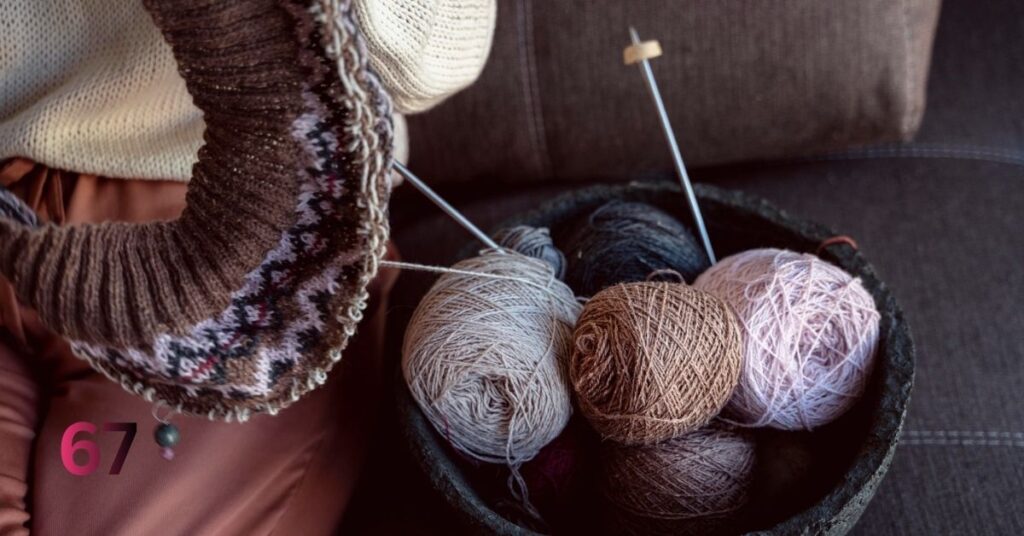

Wollwirrware is an emerging and loosely defined term associated with creative woolwork, handmade textile products, artistic yarn projects, and sustainable craft culture. Although the word does not yet have a universally accepted dictionary definition, it is increasingly used in contexts involving wool creativity, handcrafted design, natural fibers, and distinctive textile goods. At its core, Wollwirrware can be understood as a creative approach to working with wool—one that values individuality, experimentation, craftsmanship, and practical design. It may include knitted accessories, felted decorations, woven pieces, handmade home décor, textile art, or small-batch wool products. The appeal of Wollwirrware lies in its combination of tradition and originality. It brings established woolcraft techniques into modern spaces while encouraging makers to create useful, personal, and visually distinctive products.
What Is Wollwirrware?
Wollwirrware describes a creative wool-centered style or concept rather than a standardized manufacturing category. The term is often connected with handmade wool crafts that may look playful, unconventional, textured, or intentionally unique.
Unlike mass-produced textile goods, Wollwirrware emphasizes the maker’s choices. The selection of yarn, color combinations, stitch patterns, fiber texture, and finishing methods can make every piece different. This individuality is especially valuable in a market where many consumers are seeking products with character and a visible human touch. Wollwirrware may involve knitting, crocheting, weaving, needle felting, wet felting, embroidery, or mixed-fiber textile work. Some creations are functional, while others are decorative. A wool scarf, hand-felted ornament, woven wall hanging, or artistic yarn sculpture may all fit within the broader idea.
Because the term is still developing, its meaning may vary between creators and communities. The most responsible interpretation is to treat Wollwirrware as an evolving creative concept rather than a fixed historical tradition.
The Creative Spirit Behind Wollwirrware
The defining quality of Wollwirrware is creative freedom. Traditional woolcraft often follows established patterns, but this approach can encourage experimentation with unusual shapes, bold textures, recycled yarn, layered fibers, and personalized details. Creative woolwork also connects makers with the physical process of producing an object. Each stage requires attention: choosing materials, planning the design, building structure, correcting mistakes, and completing the final finish. The result is more than a product; it reflects time, skill, and artistic judgment.
Modern textile artists are also exploring new ways to shape wool. Research into advanced felting techniques demonstrates how fiber density and structure can be controlled to create objects with different levels of strength and flexibility. This shows that woolcraft can remain traditional while continuing to evolve through experimentation and design innovation.
Why Wool Remains Valuable in Modern Craft
Wool is a natural fiber with properties that make it useful for clothing, accessories, interior products, and creative textile projects. Its texture, warmth, resilience, and ability to form complex structures give makers considerable design flexibility. Different types of wool can produce very different results. Fine fibers may be suitable for soft garments, while thicker or more textured fibers can work well in rugs, baskets, wall art, and felted objects. The quality of the finished piece depends on fiber selection, yarn construction, technique, and care.
Wool can also support a more thoughtful approach to consumption. A well-made handmade item may be repaired, maintained, reused, or passed on instead of being quickly discarded. However, sustainability is not automatic. Environmental impact depends on factors such as animal welfare, land management, processing, transportation, dyeing, durability, and how long the product remains in use. For this reason, responsible Wollwirrware should prioritize durable design, transparent sourcing, practical care, and long-term value.
Popular Types of Wollwirrware Creations
Wollwirrware can take many forms because wool is compatible with a wide range of techniques and design styles.
- Handmade clothing: scarves, hats, sweaters, mittens, shawls, and socks.
- Wool home décor: cushions, wall hangings, table runners, baskets, and decorative pieces.
- Felted art: ornaments, small sculptures, flowers, toys, and textured displays.
- Creative accessories: bags, brooches, jewelry, keychains, and personalized gifts.
- Mixed-media textiles: wool combined with cotton, linen, wood, recycled fabric, or natural elements.
These products can be minimalist, traditional, colorful, rustic, or highly experimental. Their shared feature is the use of wool as both a practical material and a creative medium.
Human Experience and Practical Observation
People who work regularly with wool often describe the craft as tactile and deeply engaging. The repeated movement of knitting, weaving, or felting can create a focused working rhythm, while the gradual appearance of a finished object provides visible evidence of progress. From practical observation, beginners often discover that woolwork teaches patience. A project may require several attempts before the tension, shape, or texture feels right. Small imperfections can also become part of the character of handmade work rather than signs that the entire piece has failed.
Experienced makers frequently develop an intuitive understanding of materials. They learn how different fibers respond to pressure, moisture, friction, stretching, and repeated use. This knowledge is difficult to gain from instructions alone and usually develops through hands-on practice. The human value of Wollwirrware is therefore not limited to the final product. The making process itself can build skill, creativity, confidence, and appreciation for craftsmanship.
How to Create Your Own Wollwirrware
Starting with Wollwirrware does not require expensive equipment. A simple project can help a beginner understand how wool behaves before moving to more complex designs. Choose a practical item such as a small coaster, felted ornament, basic scarf, or textured wall piece. Use suitable yarn or wool fiber, select a technique, and begin with a manageable design. Keeping the first project small makes it easier to learn from mistakes.
Focus on material quality rather than buying many supplies. Understand the fiber, follow safe tool practices, and test colors or textures before completing the final piece. If using dyes, adhesives, or finishing products, follow the manufacturer’s instructions and work in an appropriate environment.
The goal is not perfect imitation. Wollwirrware is strongest when the maker develops an original style while maintaining good construction and usability.
How to Build a Business Around Wollwirrware
A Wollwirrware business can begin with a focused collection rather than a large catalog. A clear identity helps customers understand what makes the products distinctive.
Start by selecting a specific category, such as handmade wool décor, personalized gifts, felted accessories, or sustainable textile art. Develop a consistent visual style and create products that can be produced reliably without reducing quality. Product descriptions should explain the materials, dimensions, intended use, care requirements, and handmade nature of each item. Clear photographs are essential because customers need to see texture, scale, and finishing details. Pricing should account for materials, labor, packaging, transaction costs, overhead, and profit. Underpricing handmade work may attract early sales but can make the business difficult to sustain.
How to Grow a Wollwirrware Brand
Long-term growth depends on trust, consistency, and a recognizable creative identity. Instead of copying popular designs, build a collection around a clear theme or signature technique. Useful growth strategies include:
- Creating limited seasonal collections.
- Offering personalized colors, names, or custom details.
- Sharing the making process through original photos or videos.
- Partnering with local artists, craft markets, or ethical retailers.
- Developing beginner workshops or digital craft guides.
- Building repeat sales through care advice and complementary products.
A strong brand should communicate what it makes, who makes it, how the materials are selected, and why the products are valuable. Transparency is especially important when using terms such as “natural,” “ethical,” or “sustainable.”
Caring for Handmade Wool Products
Proper care can extend the useful life of Wollwirrware. Wool items should be cleaned according to the fiber type and construction method. Some pieces may require gentle handwashing, while others may need professional cleaning or only light surface care.
Avoid excessive heat, harsh chemicals, aggressive rubbing, and improper drying. Reshape suitable wool garments while damp and allow them to dry naturally on a flat surface when recommended. Store clean wool products in a dry environment. Protection from pests may also be necessary, particularly during long-term storage. Care instructions should be provided with handmade products because different fibers and techniques may require different treatment.
The Future of Wollwirrware
Wollwirrware has potential to grow as interest continues in handmade products, natural materials, creative hobbies, repair culture, and distinctive home design. Its flexible meaning allows artists and small businesses to adapt the concept to new styles without losing its connection to woolcraft. The strongest future for Wollwirrware will likely combine traditional skills with responsible sourcing, modern design, practical durability, and transparent production. Digital tools may help makers reach wider audiences, but the handmade process remains central to its identity. As the concept develops, creators should avoid exaggerated claims and focus on genuine craftsmanship. Originality, quality, and clear communication will matter more than simply applying the name to ordinary wool products.
Final Thoughts
Wollwirrware represents a creative meeting point between wool tradition, handmade design, artistic expression, and modern sustainability. Its value is not based on a rigid definition but on the possibilities it creates for makers, customers, and small businesses. Whether used for textile art, practical accessories, home décor, or a handmade brand, Wollwirrware encourages a more personal relationship with materials and craftsmanship. The most meaningful creations will be those that combine originality with quality, responsible choices, and genuine human skill.
Frequently Asked Questions
Q. Is Wollwirrware an official type of wool?
No. Wollwirrware is not currently recognized as a standardized wool classification. It is better understood as an emerging creative term associated with handmade woolcraft and artistic textile products.
Q. What can be made with Wollwirrware techniques?
Common possibilities include scarves, hats, felted ornaments, woven décor, handmade accessories, textile art, and personalized gifts.
Q. Is Wollwirrware environmentally friendly?
It can support more responsible production when products are durable, carefully sourced, and designed for long-term use. Environmental impact depends on the complete material and production process.
Q. Can beginners create Wollwirrware?
Yes. Small knitting, weaving, or felting projects can help beginners learn basic techniques before attempting complex designs.
Q. Can Wollwirrware become a profitable business?
It can, especially when a creator develops a clear niche, prices work sustainably, maintains quality, and builds trust through original products and transparent information.